
As educators settled into their seats at the RISE Network Annual Convening, they were greeted by a video about how wolves change rivers. The video explained that when wolves were reintroduced to Yellowstone National Park, after having been absent for nearly 70 years, a “trophic cascade” occurred. The presence of the wolves changed the behavior of the deer in the park, which led to the renewal of particular landscapes; trees grew, and bare areas sprouted plant growth. This, in turn, invited increasing numbers of birds and beavers, whose dams provided habitats for even more species. Most interestingly, as a result of the regenerating forests, the wolves had actually changed the behavior of the rivers, thereby causing even more growth.
So why this video about wolves and forests?
“We ask our school partners to make some changes in their practice, and, similar to the wolves analogy, we believe the educators we work with can have an outsized impact on the school ecosystem,” said Peter Lorinser, event lead and RISE’s Deputy Director for Engagement. “We want educators to see themselves as having the ability to make really meaningful change within their school environments.”
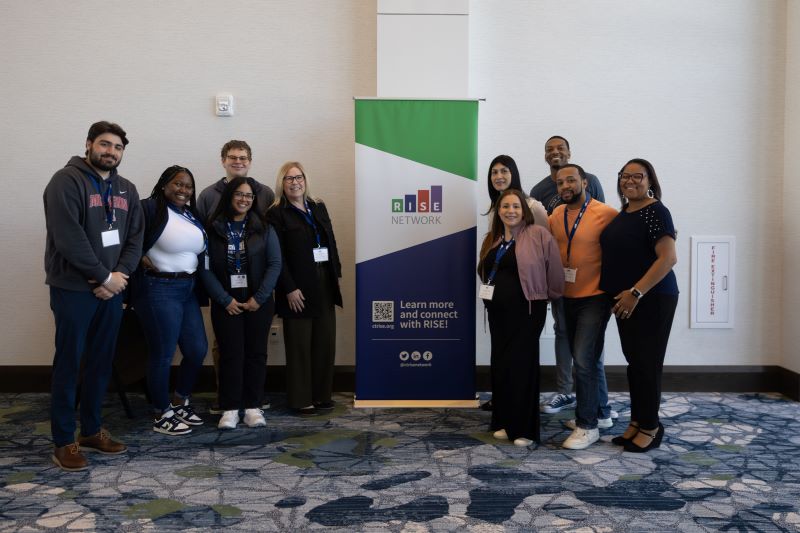
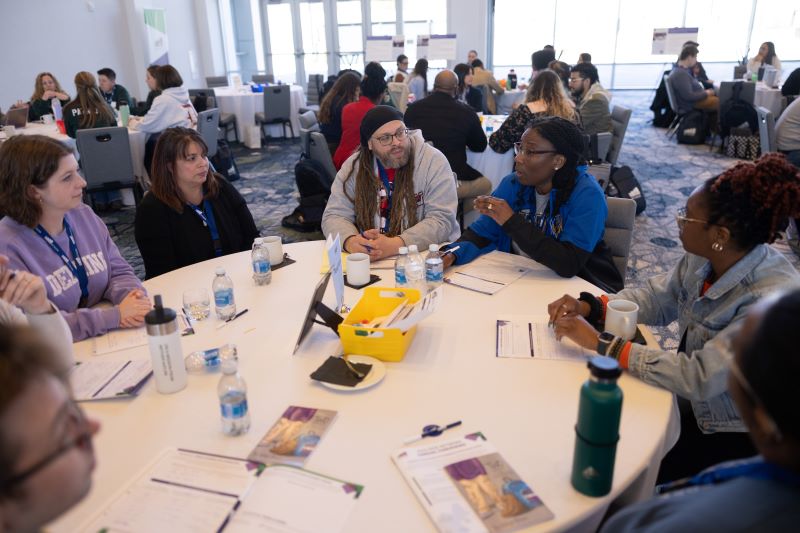
Indeed, this year’s Network Convening, which, for the first time, encompassed school partners from across all of our networks and various engagements (200+ educators from 37 schools in four states), showcased so many of the ways in which educators positively affect the lives of the students they serve. Attendees had the opportunity to share their work, hear about the work taking place in other schools, and come away with tangible next steps that they can implement in their schools.
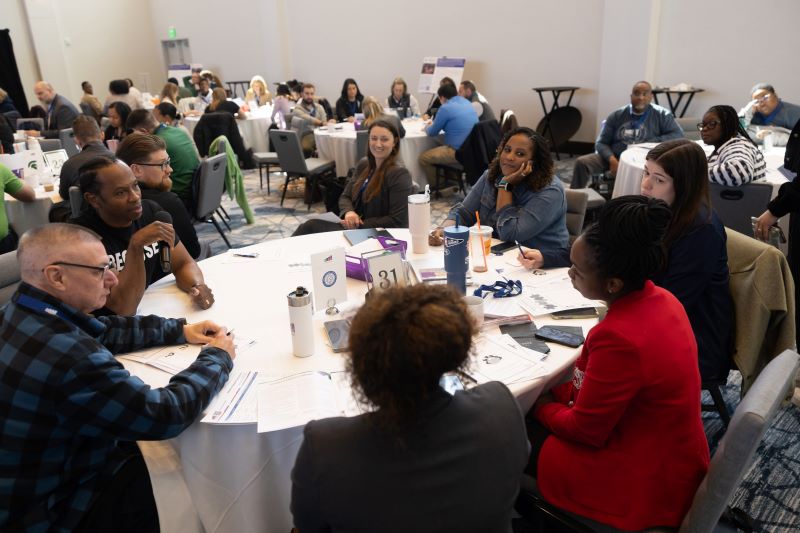
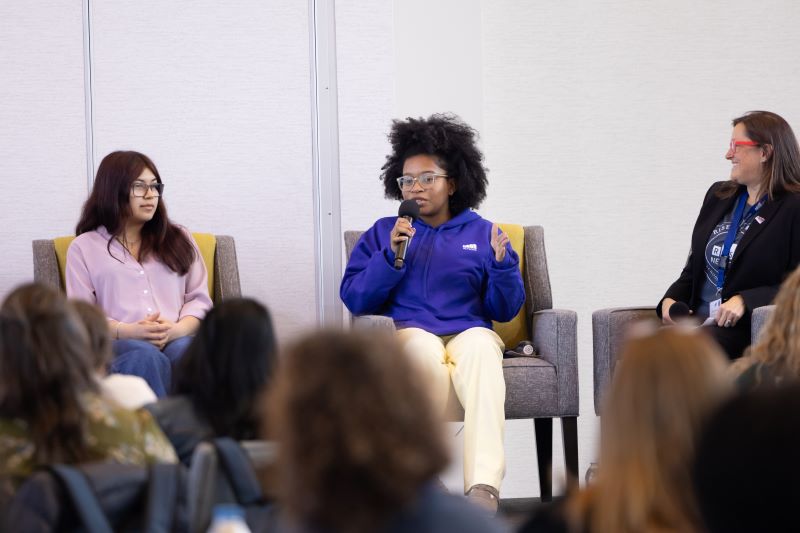
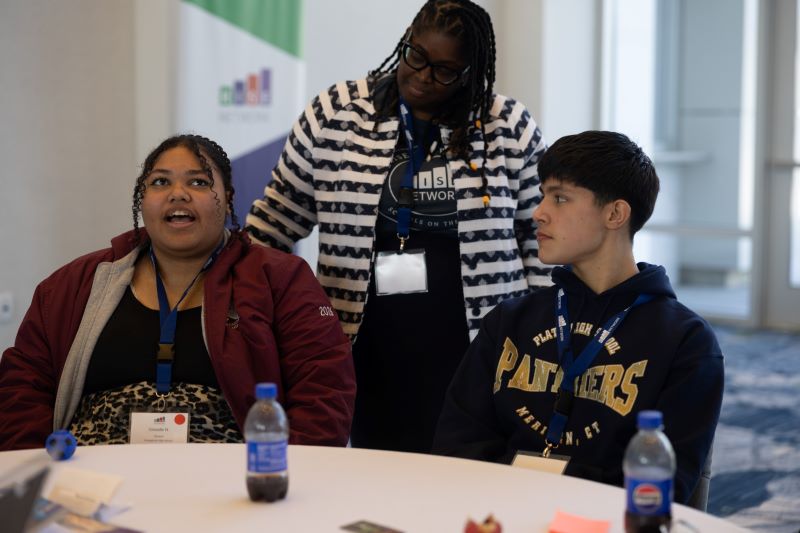
And this year, the educators at RISE’s Convening got to share the day with a group of participating students. Students were included in every part of the event, including serving on a panel focused on chronic absenteeism, as presenters of school-led breakout sessions, and in video spotlights. “We spent a lot of time as a team thinking about how we could authentically engage students,” said Lorinser. “In all of the strategies that we highlighted – from mentoring to family on-track conferences to supporting multilingual learners – it was really about how our schools are seeing their students and supporting them effectively.” As all in attendance heard first-hand from students, that simple act of support can make a significant difference.
Valerie, a junior from Westhill High School in Stamford, shared, “I’m a first-generation student from another country. My teachers are helping me with finding resources, scholarships, and financial aid so I can get ready for the transition from high school to college.” Kerone, a junior from Naugatuck High School, remembered the impact that one educator had on his high school journey. “In my freshman year, she took me under her wing and encouraged me just to show up,” he said, “and since then, that has been my motto.”
Lillian, a fellow junior at Naugatuck, shared her advice for the educators in the room. “Every single one of you should talk to your students and work on building a connection,” she said. “Everyone has a favorite teacher because they reached out to them in some way. If you show concern and try to understand us, it will help us to open up.”
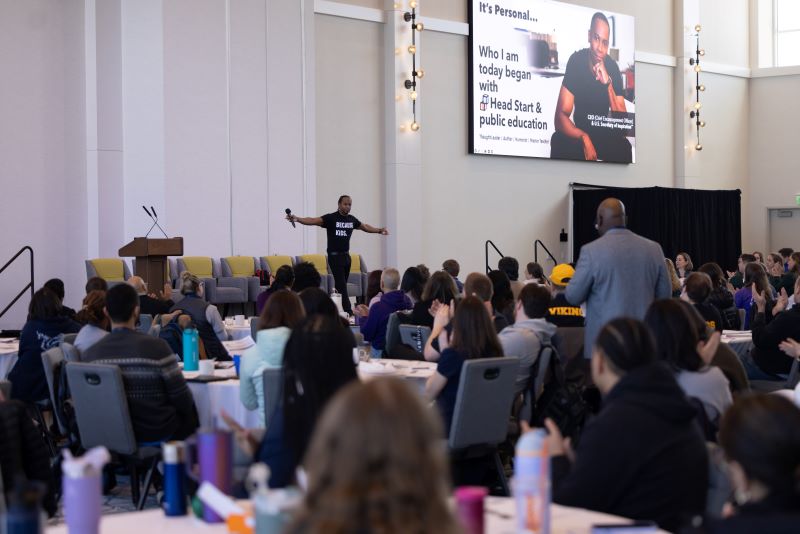
This sentiment was echoed by keynote speaker Dr. Adolph Brown, a world-renowned clinical psychologist and master teacher. “You might think that every child needs a role model,” Dr. Brown said, “but what they really need is a caring adult.” Dr. Brown challenged attendees to look beneath the surface, as “every student you meet has a story and everyone is carrying something.”
Overall, the goals of the Convening were to explore innovative strategies to create inclusive school environments where every student feels a sense of belonging and to discover practical approaches to improve student engagement, ensuring that all students are motivated and empowered to succeed.
“One of the elements at the heart of the continuous improvement work we do is continuous learning and working with educators who are trying things and seeing results,” Lorinser said. At the Convening, RISE creates space for schools to share the strategies they have seen lead to promising results. And, while there is not one “silver bullet” solution to creating more inclusive and engaging school communities, just as we saw with the wolves in Yellowstone, there are many smaller changes that schools can make to more actively support their students.
Check out an album of photos from the 2025 Convening!