
Even in the best of circumstances, completing the Free Application for Federal Student Aid (FAFSA) form – unlocking financial aid, reducing student debt, and promoting access to postsecondary pathways – can be a confusing process for many students and families. It became even more so this year, with the delayed release of the Better FAFSA.
This new form is intended to promote eligibility and make for a better, more streamlined user experience. Unfortunately, the new application presented considerable difficulties, including an almost three-month delay in availability, intermittent availability early in the release, use of outdated inflation data, technical glitches for contributors without Social Security numbers, incorrect calculations for hundreds of thousands of students, and delayed transmissions to higher education institutions.
The RISE Network was poised to support our network of educators in meeting these challenges.
In our Core Network Schools, FAFSA Task Force Teams were piloted and then scaled across the network a few years ago as a new strategy to support students throughout the school year with FAFSA completion. Led by a school coordinator and FAFSA coaches, these Task Forces worked with caseloads of students to provide guidance and resources for completing the FAFSA during the 2023-24 school year.
At the end of the 2023-24 school year, RISE was awarded a grant from ECMC that provided federal funding through the FAFSA Student Support Strategy to increase support for FAFSA submission. A plan was quickly developed to leverage these funds to run a series of FAFSA clinics during the summer. The clinics were supported by FAFSA Task Force members along with other educators including school counselors, college and career coordinators, teachers, and administrators.
RISE’s Postsecondary Success team compiled resources into a “FAFSA Clinics in a Box” toolkit that was shared with the 10 partner schools that opted to participate in the clinics. The toolkit included marketing materials, FAFSA resources, and a selfie board to celebrate students as they completed this major milestone. Our networked community structure enabled us to centralize and share these resources across all schools, quickly addressing challenges posed by the Better FAFSA.
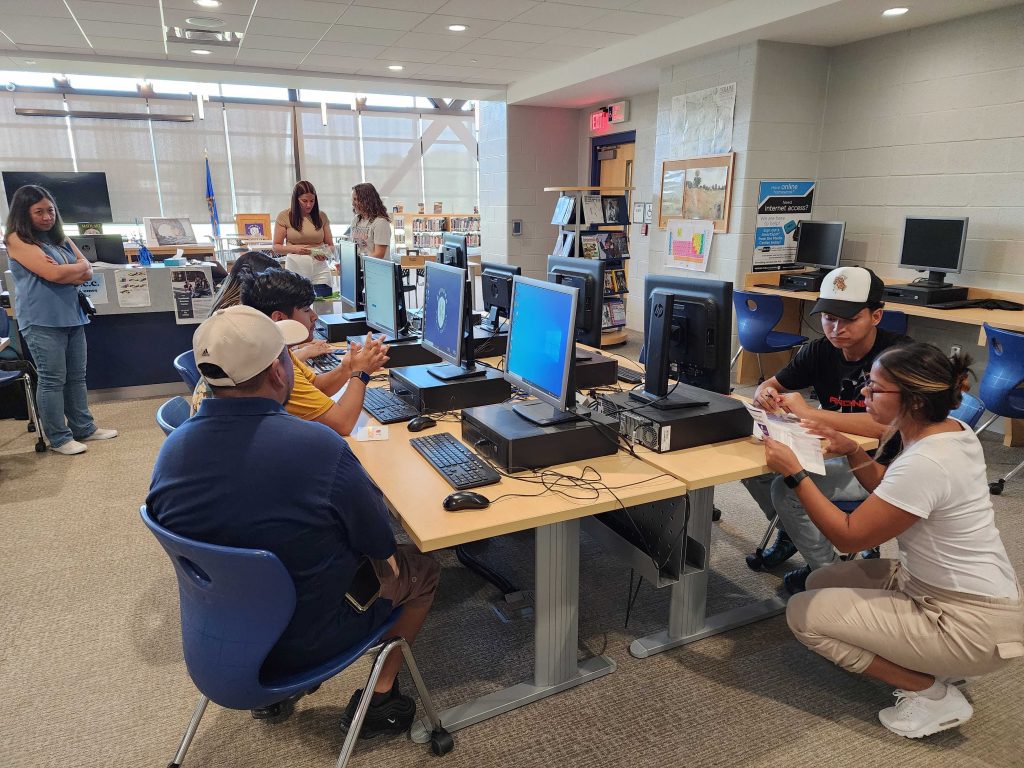
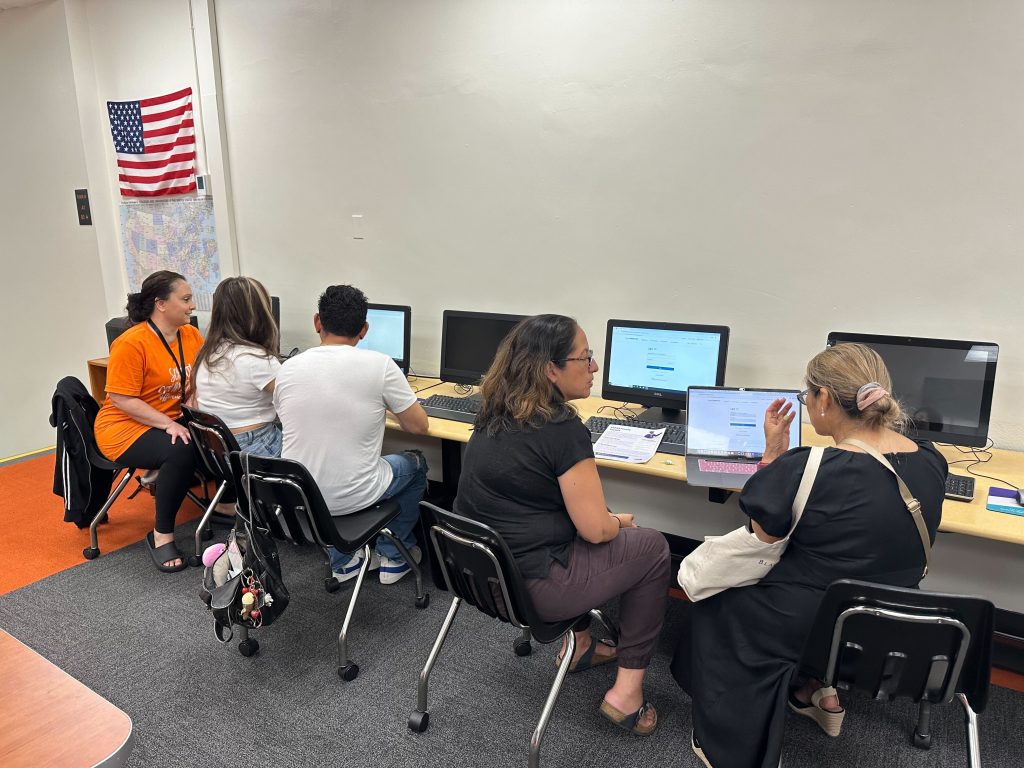

Summer FAFSA clinics provided in-person support for students and families who had yet to complete their FAFSA or needed to make updates. The goal was to support as many students and families as possible to complete the FAFSA application. In addition to completing the FAFSA, some students were able to receive guidance with next steps such as registering for college classes, attending orientation, and visiting campus financial aid offices to get updates on their award letters. Additionally, if students were ineligible for the FAFSA, staff were on-site to support them in completing the Aid Application for CT Undocumented Students (AACTUS).
“The FAFSA clinic we hosted proved to be incredibly worthwhile. For the students who attended, the impact on their college journey was significant,” said Sheena Ojeda, School Counselor at Platt High School in Meriden. “One student who had been struggling with his FAFSA was on the brink of giving up. However, with the guidance and support provided by our knowledgeable coaches at the clinic, he overcame his difficulties and successfully submitted his FAFSA. This truly underscores the importance of workshops like this in eliminating potential roadblocks students face on their path to higher education.”
This sentiment was echoed throughout the participating schools. At Brien McMahon High School in Norwalk, College & Career Readiness Coordinator Quanasia Green shared how impactful the FAFSA clinics were for many families. “A couple attended on behalf of their son, who was out of the country. There was a language barrier, but we had multi-language support available on site, so we were able to help this family complete the form, which they were very grateful for.”
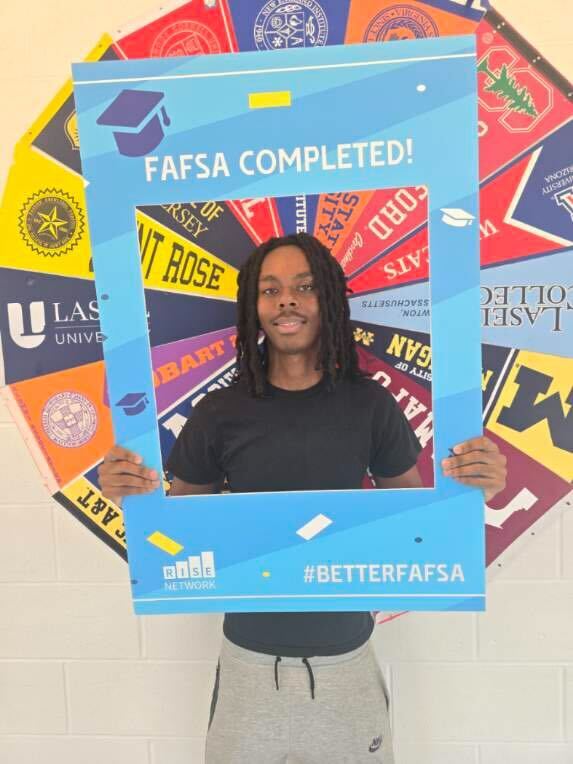
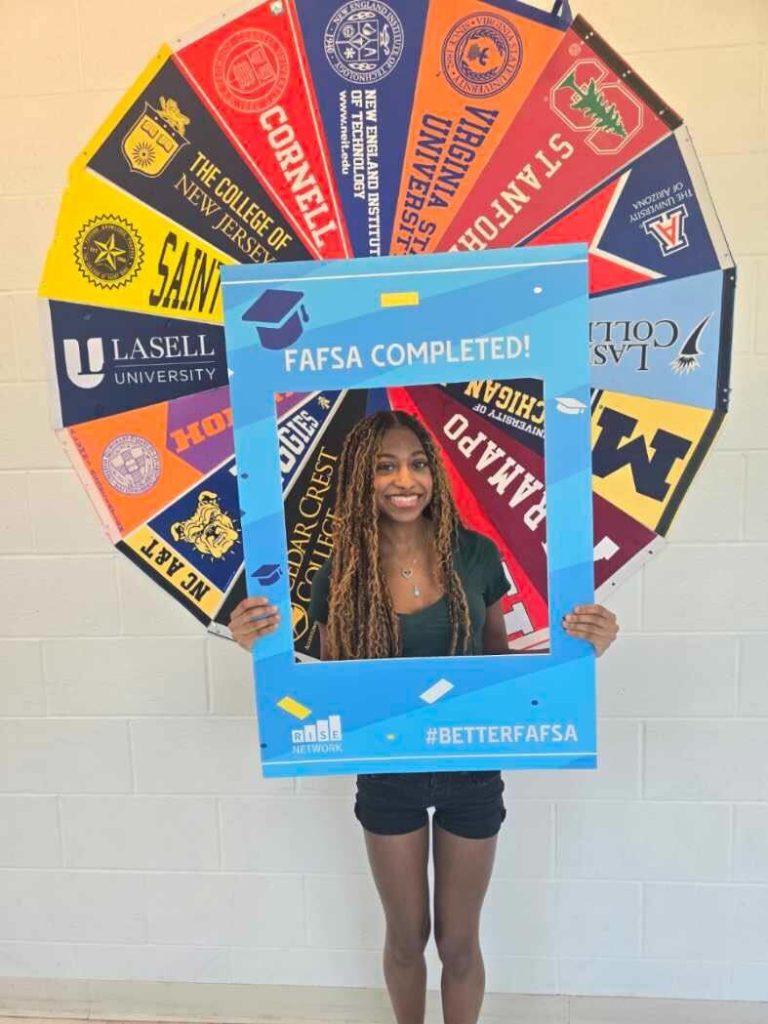
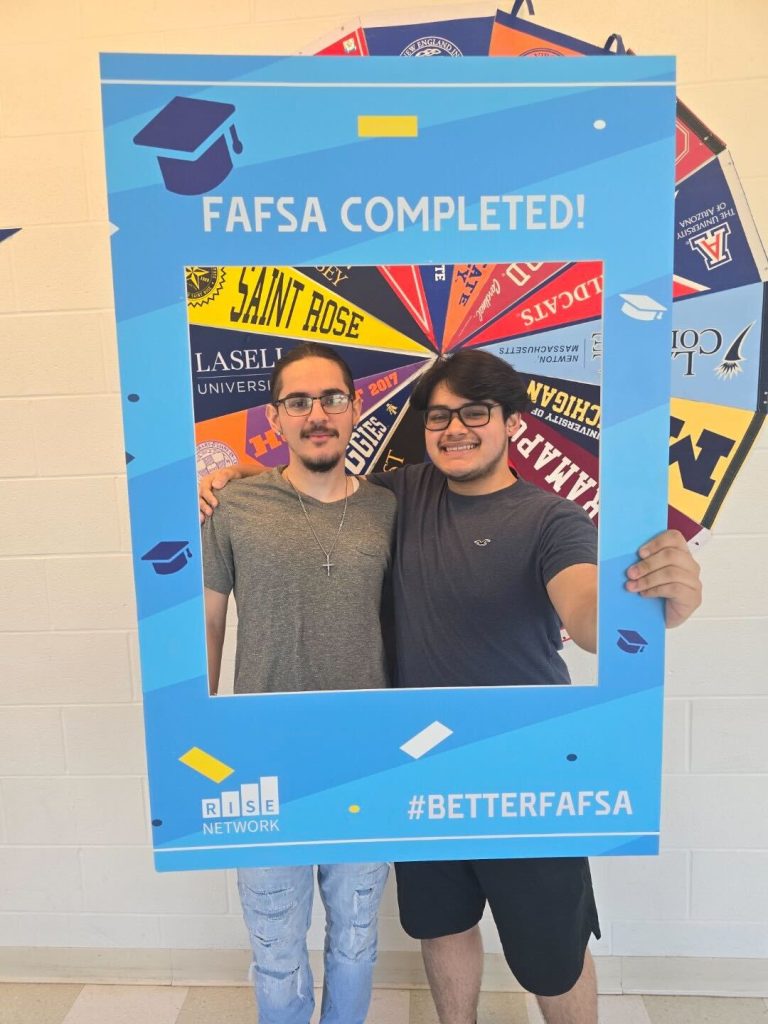
Green attributed much of the success of the clinics she coordinated to the fact that the Brien McMahon team had translated their marketing materials into Spanish and Haitian to reach more families. They also used a texting platform to communicate with students, which resulted in more responses than other forms of outreach.
“Our summer FAFSA clinics were so successful that I am advocating we continue using this format in the coming school year,” said Green. “We communicated directly with students and parents and provided a space for families to come and receive real-time support. We had resources available and a notary on site – everything they needed was there.”
Throughout the clinics, requests for help sometimes came in unexpected places. “We were able to provide support for parents and siblings of our students who were interested in pursuing their own postsecondary pathways,” said Green. “It’s never too late and we are here to help!”
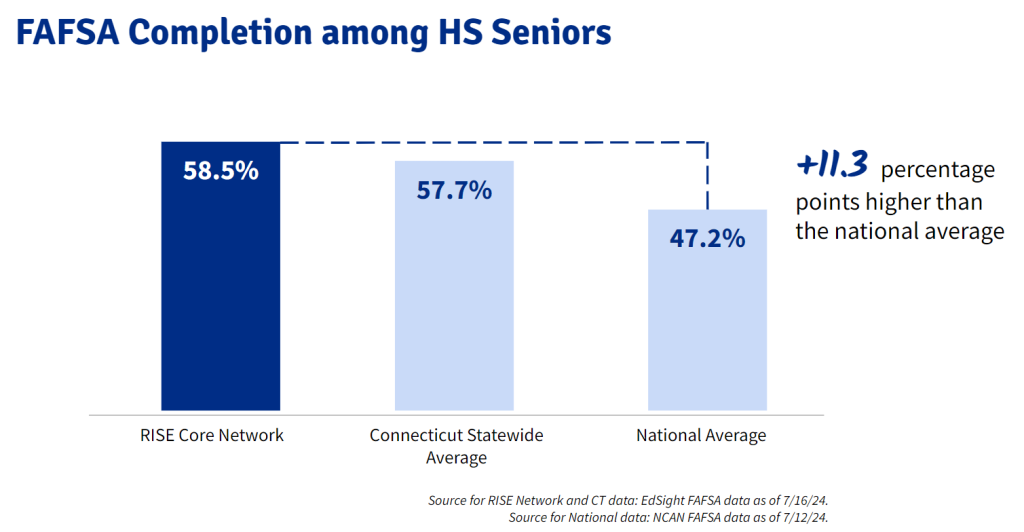
Indeed, summer FAFSA clinics helped bolster completion rates for RISE Network students, who outperformed their peers across Connecticut and nationwide.
“The summer clinics were a comfortable environment where we provided truly impactful support,” said Green. “We were all stressing out together and the students and families we helped were so grateful. It was a great feeling after each clinic.”
RISE understands the importance of FAFSA completion as a key milestone for students as they work to achieve their postsecondary goals, and the resources and supports available year-round through our network will continue to empower students and educators as the Better FAFSA is released in December 2024.